Cloud Simin progress
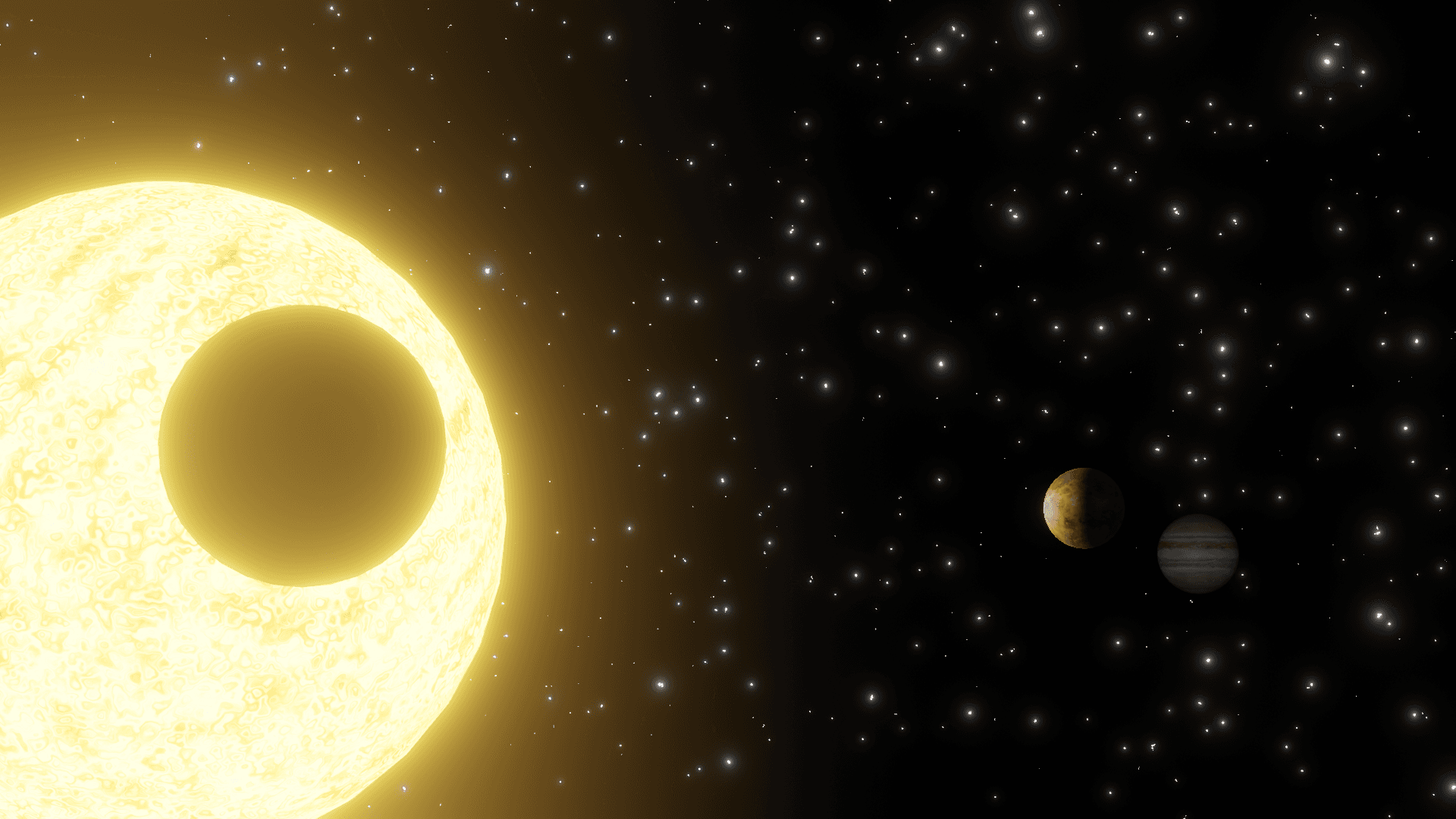
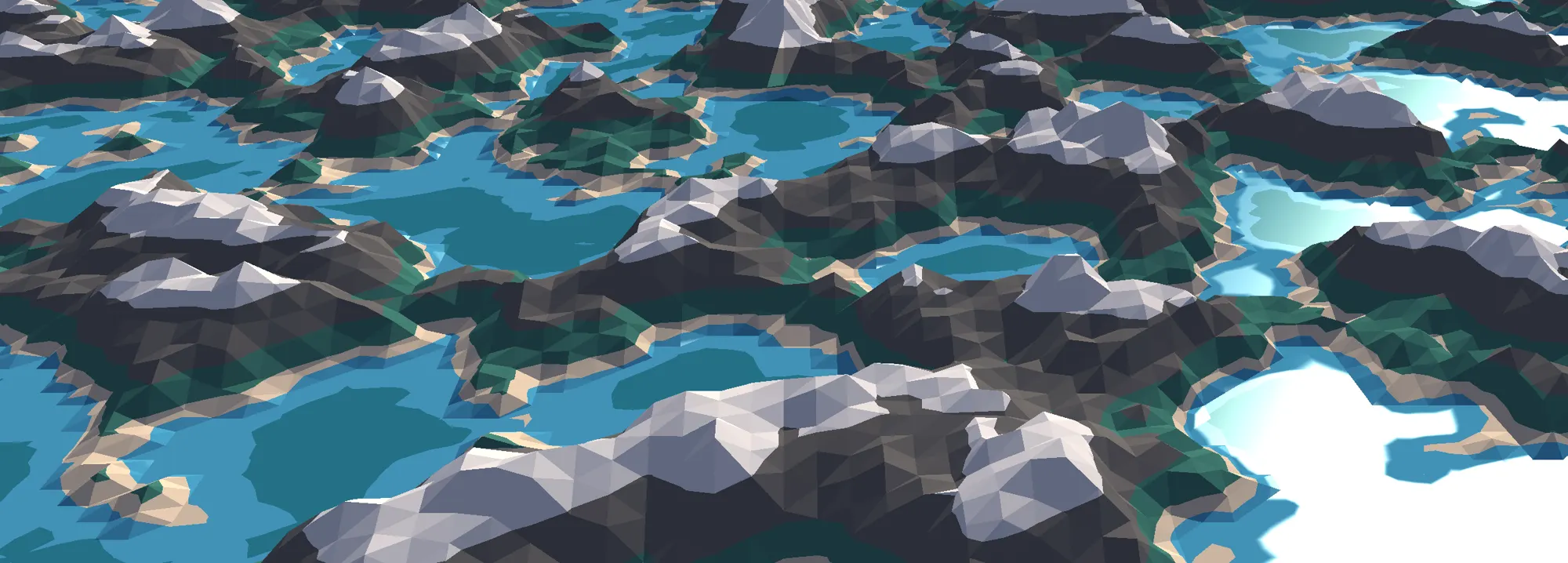
Real-time volumetric clouds in C++ and OpenGL, raymarched from a compute-built 3D texture.
- C++
- OpenGL 4.6
- compute
- raymarching
/ open to roles from late 2026 · Norrköping, SE
Systems and software engineer
Real-time renderers and GPU-driven engines in C++ and OpenGL. Finishing an MSc in Media Technology at Linköping University.
/ selected work
Real-time volumetric clouds in C++ and OpenGL, raymarched from a compute-built 3D texture.
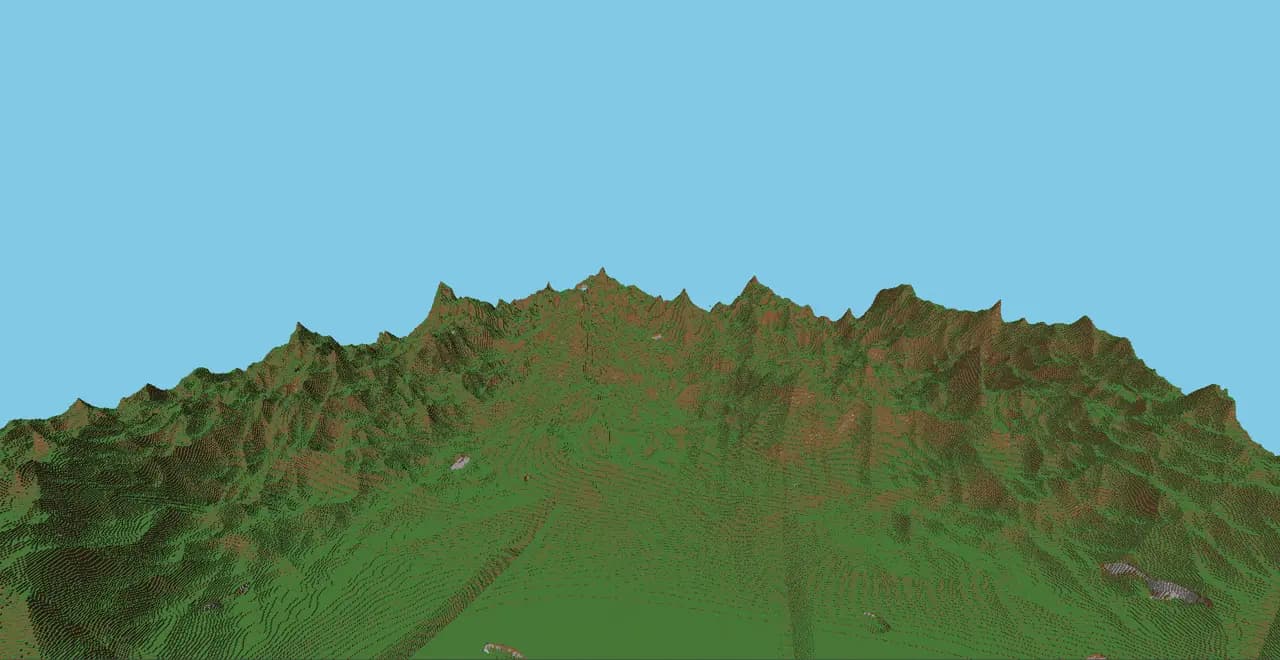
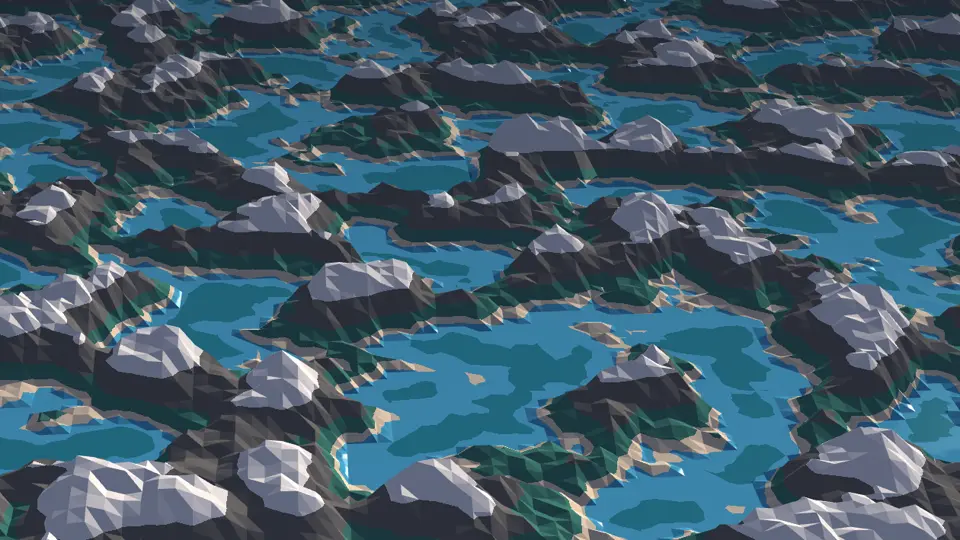
GPU-driven voxel terrain in C++20. Compute shaders build it, indirect draws render it.
Autonomous drone flying through procedural terrain, meshed on the fly with marching cubes.
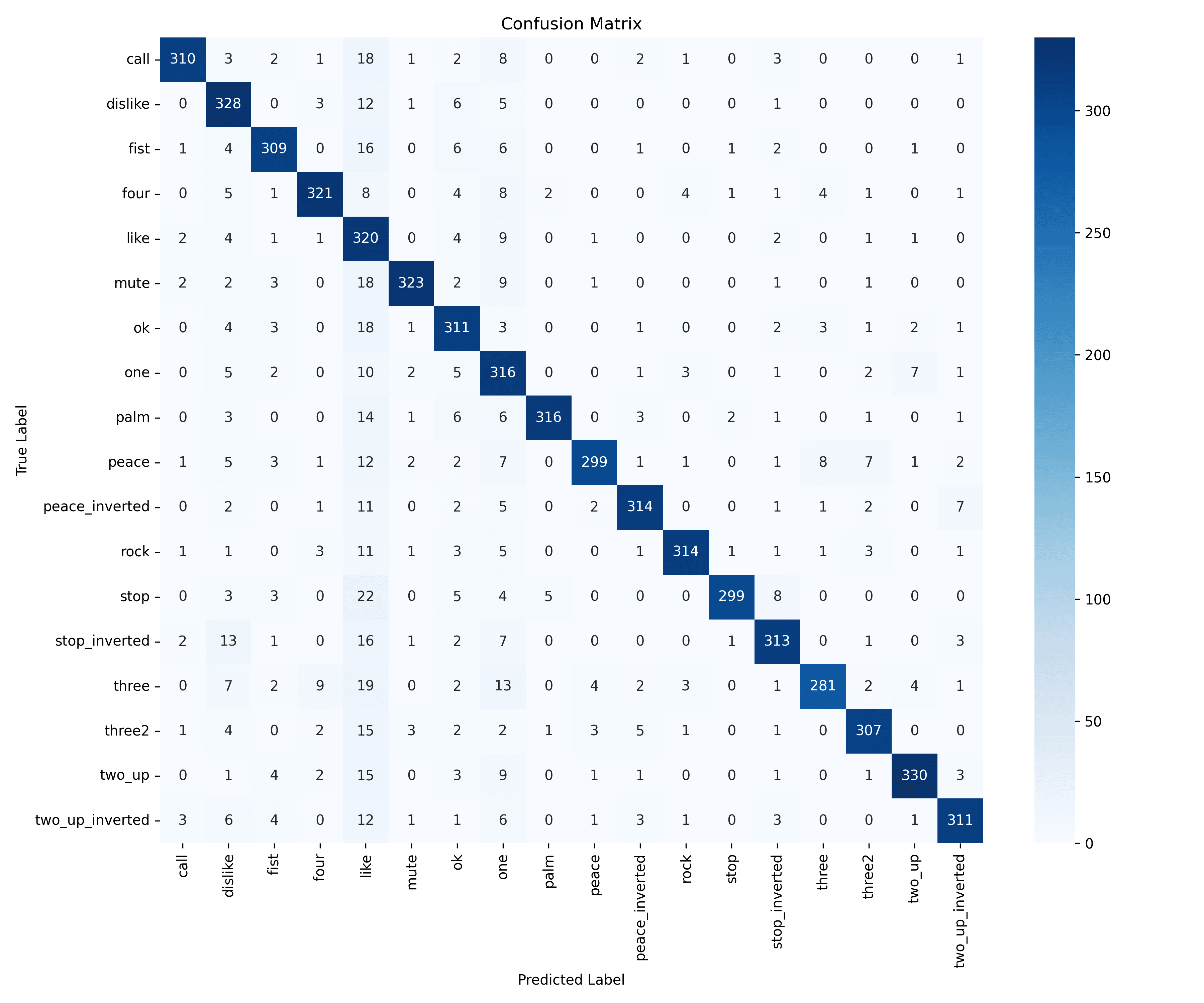
Hand gestures drive a Godot game over WebSocket, via MediaPipe and a Keras CNN.
Path tracer running entirely in a fragment shader, accelerated by a CPU-built BVH.
/ master's thesis · SICK IVP × Linköping University · 2026
Recovered geometry didn't beat photographs at finding scratches, but it kept working when the material changed.
Inverse Rendering for Industry Inspections: Are surface scratches easier to find in SVBRDF maps recovered by inverse rendering than in the photographs themselves?
results
/ background

I'm finishing an MSc in Media Technology and Engineering at Linköping University, with the focus pulled hard toward computer graphics, GPU programming, and applied machine learning. My thesis, hosted at SICK IVP, is done. One 6 HP course stands between me and the degree, so November 2026.
I came at graphics through art: years of figure and gesture studies, until code turned out to be a way to build worlds the way drawing built faces and figures. Most of what I build lives on the line between graphics and systems: GPU-driven voxel engines, fragment-shader path tracers and, lately, a volumetric cloud renderer.
The next things are further down the stack: a physics engine in C++, Vulkan after a few years of OpenGL, and .NET. I'm looking for strong engineering work in systems, graphics, vision, or simulation.
 C++
C++ C#
C# .NET
.NET Python
 TypeScript
 OpenGL · GLSL
 Vulkan (learning)
 Three.js / WebGL
 Unity
Unity Godot
Godot Blender
 CMake
CMake Git
Git TensorFlow
 OpenCV
 MATLAB
/ education & work

SICK IVP / Linköping University

Linköping University
Linköping University
Linköping University
Linköping University
/ writing
Course paper · TNM114
Course paper · TSBK07 · with Ludwig Boge
Course paper · TNCG15 · with Ludwig Boge
Course paper · with Berkay Orhan
Bachelor thesis · with Emil Larsgärde, Ludwig Boge, Gayathri Naranath, Gustaf Kronholm, Armen Abedi, Mirijam Björn
/ interactive
/ contact
ebenholmdev@gmail.com